A replacement crimping applicator needs to match both the machine interface and the terminal-processing job. “JAM-style” or a familiar machine brand can help identify a product family, but neither confirms that a particular tool will fit your press and produce the required crimp.
This guide is for buyers replacing existing tooling or sourcing a second applicator for a known job. For a first-time equipment shortlist, use the wire harness crimping applicator selection guide. For a replacement, begin with the installed configuration and document what must remain compatible.
1. Define what “replacement” includes
Clarify whether the purchase covers a complete applicator or individual wear parts. A crimp die, anvil, feed finger or other component is not the same supply scope as an assembled applicator. Ask for the part numbers and assembly coverage in the quotation rather than relying on a product photograph.
Record the existing applicator model, identification plate, terminal part number and machine model. If the original tool was modified, include its current configuration and available drawings. A catalogue model name may no longer describe the installed assembly completely.
2. Build an interface comparison, not a brand comparison
| Information to record | Why it belongs in the review | Useful evidence |
|---|---|---|
| Press model and configuration | Different machines under one brand can have different interfaces. | Nameplate and machine documentation. |
| Stroke and specified shut height | A shared stroke does not confirm the installed working geometry. | Machine and applicator specifications. |
| Base mounting and ram connection | The tool must mount and connect in the intended configuration. | Interface drawings and clear photographs. |
| Feed actuation and connections | The proposed feeding system needs suitable machine provisions. | Connection details and supplier confirmation. |
| Terminal strip and wire path | Physical fit alone does not establish access or process suitability. | Strip sample, wire details and loading or transfer layout. |
Use the machine manual and qualified personnel for dimensional checks and installation. This list is a purchasing review, not an instruction to adjust shut height or cycle an unfamiliar tool.
3. Treat JAM-style as a starting point for a model check
The RSA-JNA-20S pneumatic applicator product page lists ShinMaywa, JAM and KODERA semi-automatic machine applications. Its specification lists side feed, a 30 mm stroke, 119.7 mm shut height and a 0.08–6 mm² wire range. Those details make it a candidate for review, not a universal replacement for every machine carrying one of those brand names.
If your search started with “JAM-style replacement crimp die,” confirm whether you need a complete applicator and identify the actual JAM machine model. Request written confirmation for the specified terminal, wire and interface. Do not convert a general compatibility statement into approval for an unspecified automatic line.
4. Check the terminal job independently of the machine fit
A replacement that mounts on the press can still be wrong for the terminal. Supply the terminal drawing and revision, wire specification, carrier strip and required crimp profile. Keep any customer-specific inspection requirements with the same enquiry.
The RSA-ENA-20E end-feed applicator illustrates why published wire range alone is insufficient: it also lists 0.08–6 mm² wires, but its listed stroke is 40 mm and shut height is 135.8 mm. It should not be substituted for RSA-JNA-20S merely because the wire ranges overlap.
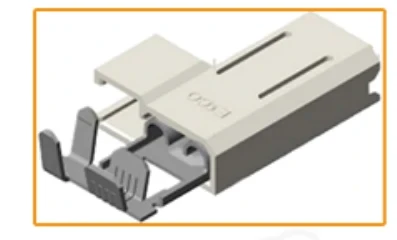
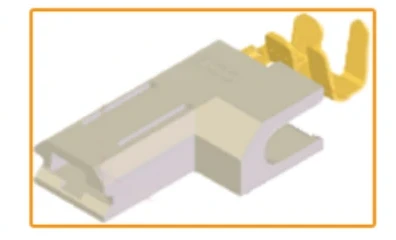
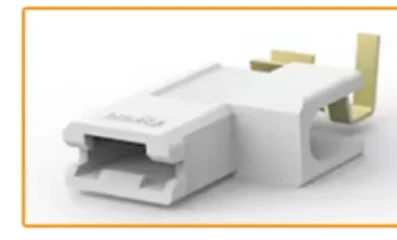
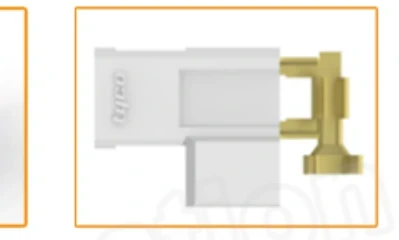
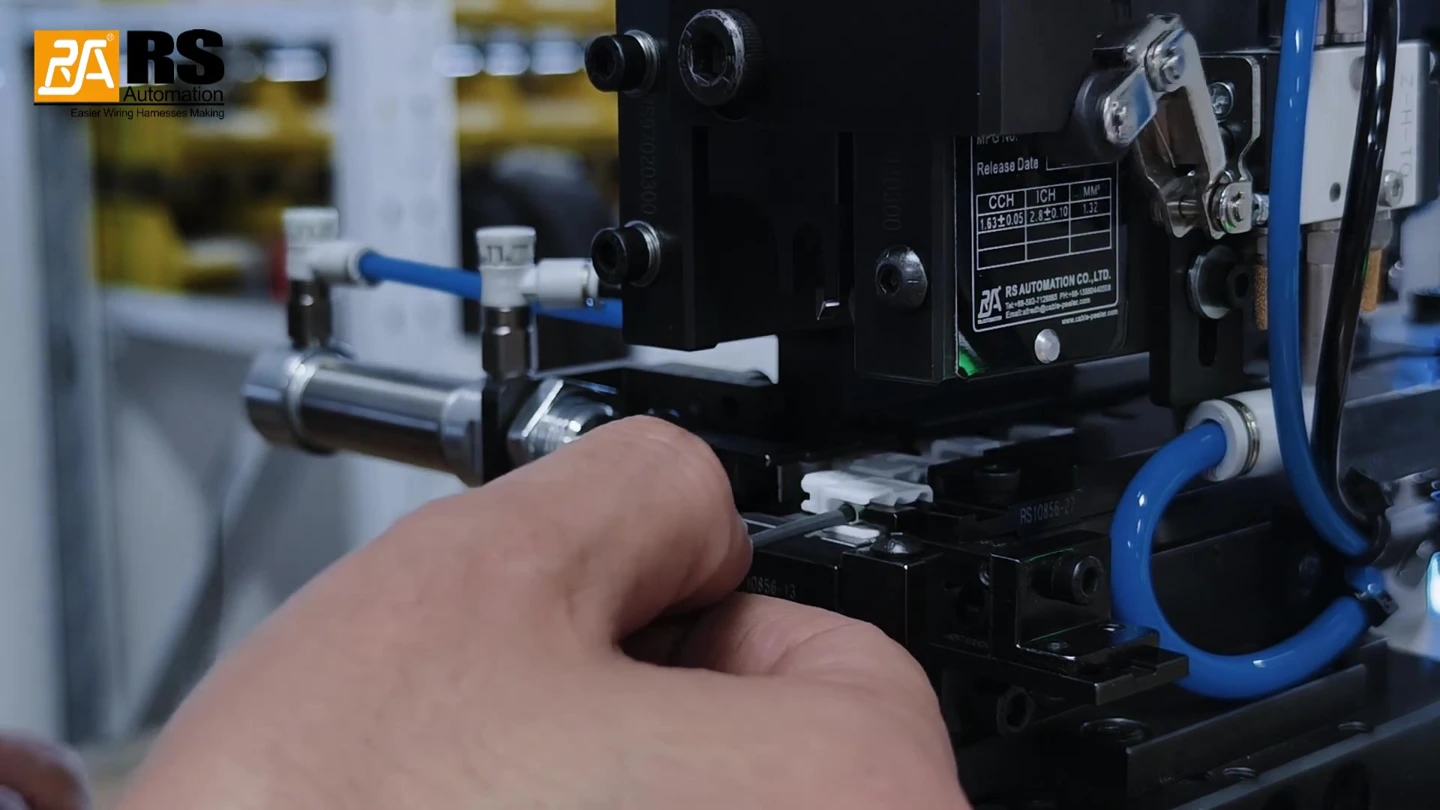
Where the existing job includes insulator push-on processing, review a specialist configuration such as RSM-ENA-40EI. Do not assume that an ordinary terminal crimping configuration includes the additional insulator operation.
5. Resolve changes before placing the order
Ask the supplier to list what stays unchanged, what needs modification and who is responsible for each item. If an adapter, different connection or revised loading arrangement is proposed, include it in the scope and review it against the machine documentation. Avoid an order that leaves “minor adjustment” undefined.
- Identify the complete applicator configuration and terminal part number covered.
- List supplied components and any excluded interfaces or accessories.
- Agree the required technical documents and spare-part identification.
- Define who will review installation, commissioning and sample approval.
- Record which changes require another review of the agreed configuration.
Do not infer part interchangeability from similar appearance. A replacement wear part needs the correct part number and assembly reference. This is particularly important when the existing tool has undocumented modifications.
6. Close the purchase with a defined approval step
Keep the trial materials traceable to the quoted configuration. Agree the terminal manufacturer’s applicable requirements and the customer’s acceptance criteria before trial production. Our applicator sample approval guide covers the trial record and inspection stage in more detail.
The replacement decision should end with a documented configuration and accepted samples, rather than a claim that the new tool “looks the same.” If materials, terminal revision or the host machine later change, review the affected assumptions before continuing production.
Frequently asked questions
Is a JAM-style applicator guaranteed to fit every JAM machine?
No. Confirm the specific machine, mounting, ram connection, stroke, shut height and feed arrangement. The terminal-processing requirement needs a separate check.
Can I order a replacement using only the old tool’s model number?
That is a useful starting point, but also provide the press model, terminal part number, current configuration and any known modifications.
Are a replacement crimp die and a complete applicator the same purchase?
No. State whether you need an individual tooling component or a complete assembly, and confirm the included part numbers in the quotation.
Review the RS Automation applicator range, then send the existing tool details and machine interface information for a model-specific review.
Product statements checked against the linked RS Automation pages on 29 October 2026. Application image source: RSM-ENA-40EI.pdf, page 1. Brand references identify the compatibility question; they do not establish endorsement or universal interchangeability.