Choosing wire harness assembly equipment starts with understanding what is preventing your team from delivering acceptable harnesses on time. The problem may be inconsistent wrapping, identification errors, difficult connector access, frequent changeovers, or excessive handling between operations.
This guide explains how to turn those production problems into equipment requirements, compare suitable solutions, and prepare a sample trial that supports a purchasing decision. It focuses on application assessment rather than promising a universal production rate or return on investment.
1. Define the production problem before choosing a machine
A useful equipment inquiry describes an observable problem and the result you need. “We need to improve efficiency” does not explain which operation needs attention. A more useful requirement is: “Our operators spend too much time positioning and wrapping a short branch section. We need a repeatable process that preserves the required branch flexibility.”
This is an illustrative requirement, not a reported customer case. It identifies the operation, the difficulty, and a product characteristic that must remain protected.
Observe the current process. Record where operators wait, repeat adjustments, reposition the assembly, or return completed work for correction. Distinguish a need for machinery from a need for better fixtures, clearer instructions, or improved material presentation.
| Customer concern | What to investigate | Requirement to define |
|---|---|---|
| Orders fall behind schedule | Waiting, handling, processing, and inspection | Required output of accepted assemblies |
| Results vary between operators | Positioning, settings, and material preparation | Measurable quality acceptance criteria |
| Small orders take too long | Tool changes, setup, and first-piece checks | Acceptable changeover time |
| Harnesses need rework | Defect type and where it originated | Prevention and verification method |
| Work requires excessive handling | Repeated movements, holding, and reach | Workpiece support and fixture requirements |
2. Measure the complete work cycle
A machine’s processing time represents only part of production. Measure the complete sequence: load → position → process → unload → inspect → transfer. Include routine replenishment, adjustments, and interruptions when estimating sustained output.
A short wrapping cycle may still involve substantial manual effort if the operator must rearrange a large harness to reach each wrapping location. In that situation, workpiece support and tool access deserve as much attention as machine speed.
Ask what a quoted cycle time includes. Does timing begin before or after loading? Is positioning manual? Which material and workpiece were used? Does the figure represent a single cycle or sustained production? Compare alternatives using the same timing boundaries.
3. Check the finished assembly, not only material dimensions
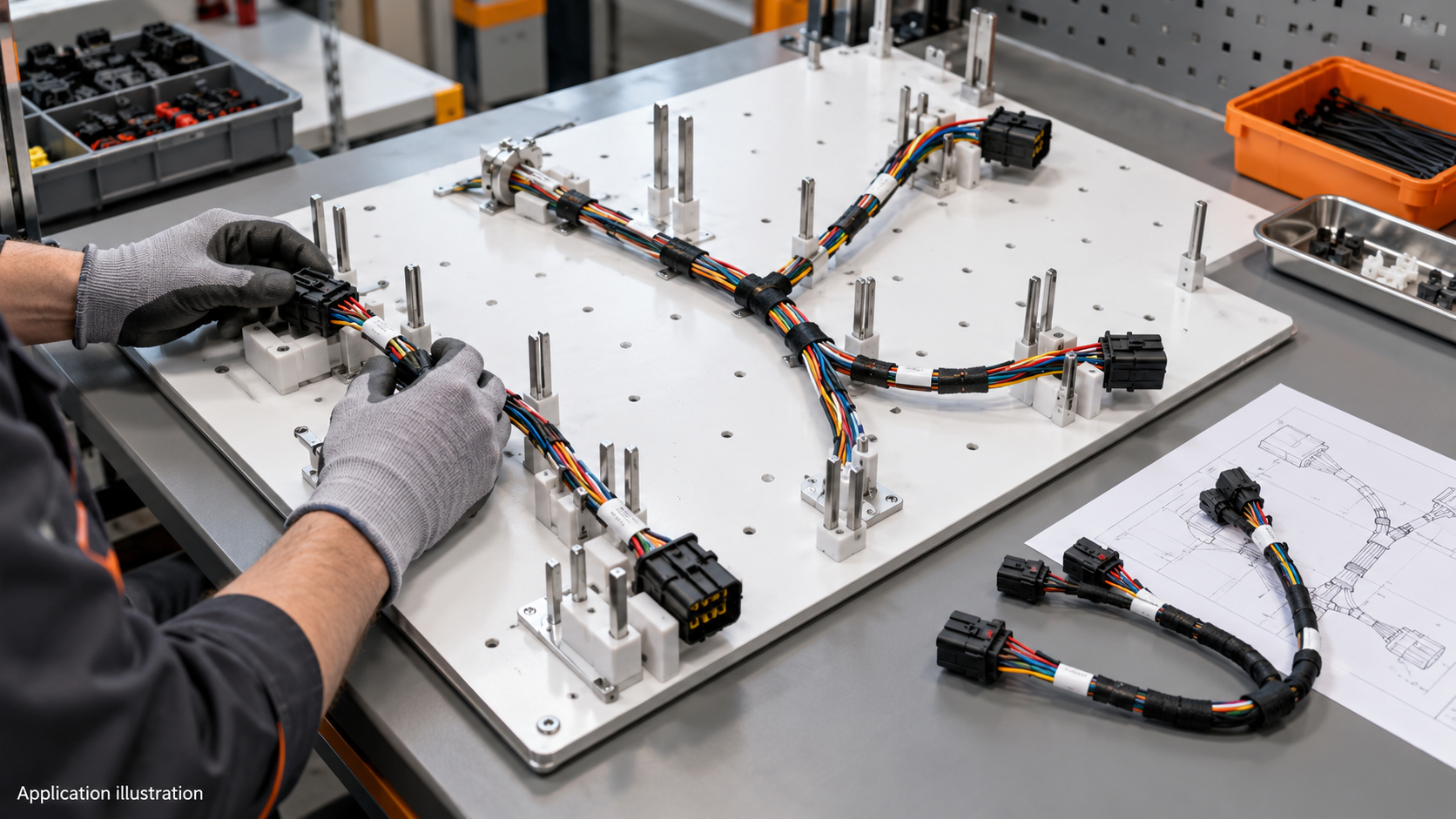
Wire diameter and bundle size do not fully describe an assembly task. Nearby connectors, short branches, bulky components, and restricted access can affect loading even when the material falls within a machine’s stated dimensional range.
- Provide the overall harness size, branch positions, and available working length.
- Identify components already installed before this operation.
- Show the distance between the processing location and adjacent connectors.
- Identify flexible or easily damaged areas and surfaces that must remain free from adhesive or marks.
- Explain how the harness is supported and transferred.
Photograph the complete harness and the processing area. A successful demonstration on a loose material sample does not by itself establish suitability for the completed assembly.
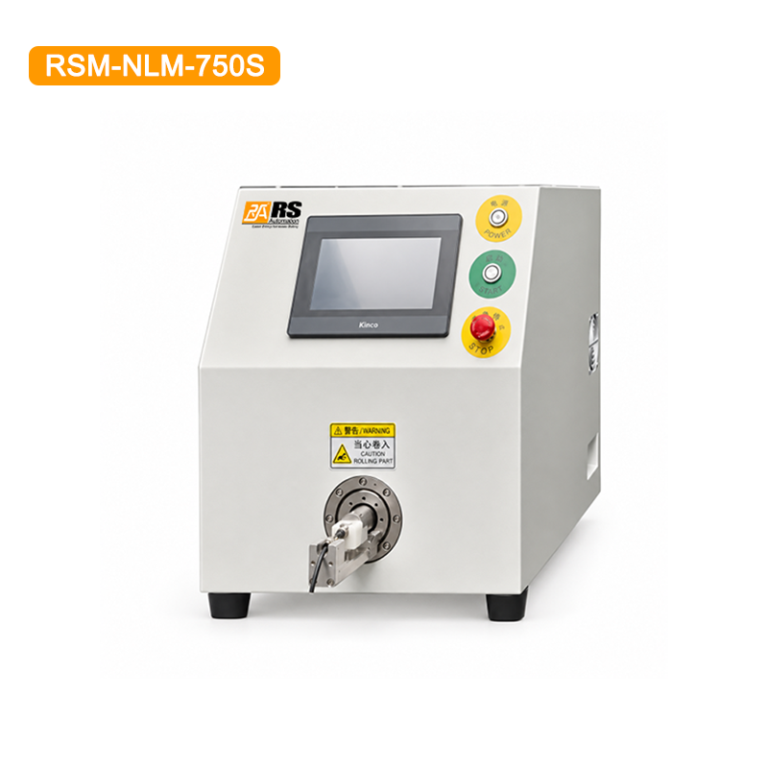
For sleeve installation, discuss material compatibility, loading clearance, and the feeding arrangement. The RSM-SIM-2000 sleeve insertion machine is one application-specific option to review; confirm the proposed configuration using your actual sleeve and workpiece.
4. Convert “good quality” into inspectable requirements
Descriptions such as “firm,” “clear,” or “neat” are difficult to use for acceptance. Define what must be inspected and how the result will be evaluated. Numerical limits should come from the approved drawing, customer requirements, and applicable component instructions.
Identification and marking
Specify the required content, orientation, position, and available marking area. Explain whether identification must remain readable after subsequent processing or handling. If scanning is required, verify it using the intended scanning arrangement.
For an application involving sleeve printing and shrinking, review the RSM-HST-525P printing and heat-shrinking equipment against the actual tube, marking, and heating requirements. Equipment selection does not replace sample acceptance.
Wrapping
Define the wrapping location, coverage, overlap where applicable, and start and finish conditions. Identify adjacent areas that must remain uncovered. Check that the completed branch can still be routed and bent as required.
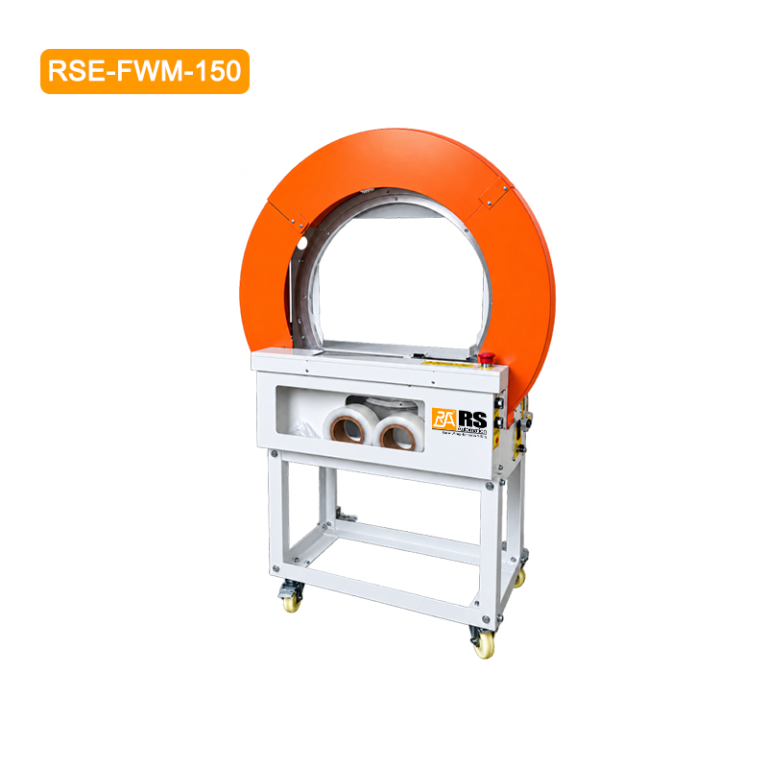
Compare spot and continuous tape-wrapping equipment according to the operation you need. A local branch wrap and a long wrapped section require different application assessments.
Connector tightening and bundling
For connector tightening, provide the component manufacturer’s assembly instructions, tightening requirements, access restrictions, and inspection needs. A tool setting alone does not establish acceptance of the completed connection.
For bundling, define the tie position and permitted tail condition. Check security without unacceptable insulation damage or bundle deformation. Keep assembly bundling separate from cable coiling for packing: these operations have different requirements.
5. Choose automation according to product mix
A workstation processing one stable assembly has different needs from a workstation handling many designs in small batches. Investigate how settings are selected, which products need tooling changes, how materials are replaced, and how the first acceptable piece is confirmed after each changeover.
A fixture-assisted or semi-automatic process may suit changing harness geometry. Greater automation may be worth evaluating when materials, presentation, and assembly requirements are sufficiently consistent. Compare sustained output, quality, changeover effort, and operator workload under representative conditions.
Assembly support is part of this decision. Review wire harness assembly equipment and fixtures when positioning and repeated handling contribute to the bottleneck.
6. Prepare a sample trial that tests your difficult jobs
Sending only the easiest assembly may leave the main production risks unresolved. Where practical, include a typical assembly, a difficult assembly with restricted access, relevant material or size variations, and an approved reference sample or documented acceptance criteria.
Agree on the trial record before testing. Identify the materials, machine configuration, tooling, settings, timing method, inspection results, and manual intervention. If changeover is the concern, demonstrate a product change. If sustained output is the concern, observe routine handling and replenishment.
- Can the operator load this harness without moving an adjacent connector?
- Does the wrapped branch retain the required flexibility?
- Can these two assemblies use the proposed tooling?
- Does the inspection method identify the defects that matter to this application?
For a cable packing operation, the RSM-CSM-60 cable coiling and strapping machine provides a separate example to assess. Evaluate coil shape, end lengths, handling, and tie material using a representative cable; do not treat a coiling demonstration as evidence for branched-harness assembly bundling.
7. Compare cost per accepted assembly
Compare equipment and tooling costs alongside operator time, changeovers, consumables, maintenance, training, rework, and rejected assemblies. Use your production data for a payback calculation and check supplier assumptions against your product mix and expected utilization.
Avoid counting the same saving twice. Reduced operator time may create production capacity without immediately reducing staffing costs. A purchasing decision should distinguish available capacity, quality improvement, and actual cash savings.
8. Confirm how the accepted process will be reproduced
Before ordering, clarify installation, training, documentation, tooling, spare parts support, and site requirements. Identify who will approve the first production setup.
Retain approved settings, fixture arrangements, reference samples, and inspection methods. Define when a new first-piece check is required, including relevant material changes, tooling replacement, and process adjustments.
What to send with your equipment inquiry
- Complete assembly photographs or drawings and close views of the operation.
- Relevant material specifications and product variations.
- The current production problem and available measurements.
- Required output, typical batch sizes, and changeover frequency.
- Acceptance requirements, sample availability, and trial objectives.
RS Automation is a wire harness processing equipment manufacturer with equipment and tooling for different harness production tasks. Contact RS Automation with your application information to discuss options and the sample validation needed for the proposed configuration.
Describe the production problem first, then use a documented sample trial to determine whether the proposed equipment solves it.