Wire Harness Technical Support & Processing Guides
Find practical guidance for wire harness production, from equipment selection and wire preparation to joining, inspection and troubleshooting. Start with a process below, then review the relevant machine specifications and your assembly requirements.
Ultrasonic wire splicing
Compare equipment, plan the joining process and investigate weld variation.
Machine selection guide
Applications and process setup
Troubleshooting checklist
Soldering workstations
Review solder-cup preparation, joint inspection and fume extraction.
Equipment and tooling selection
Explore supporting operations and tooling requirements across the assembly process.
Harness assembly support equipment
Pneumatic crimping applicator guide
Need help with a specific application? Send your wire, terminal or connector details. For brochures, visit catalog downloads; for equipment, browse the product directory.
Latest technical articles
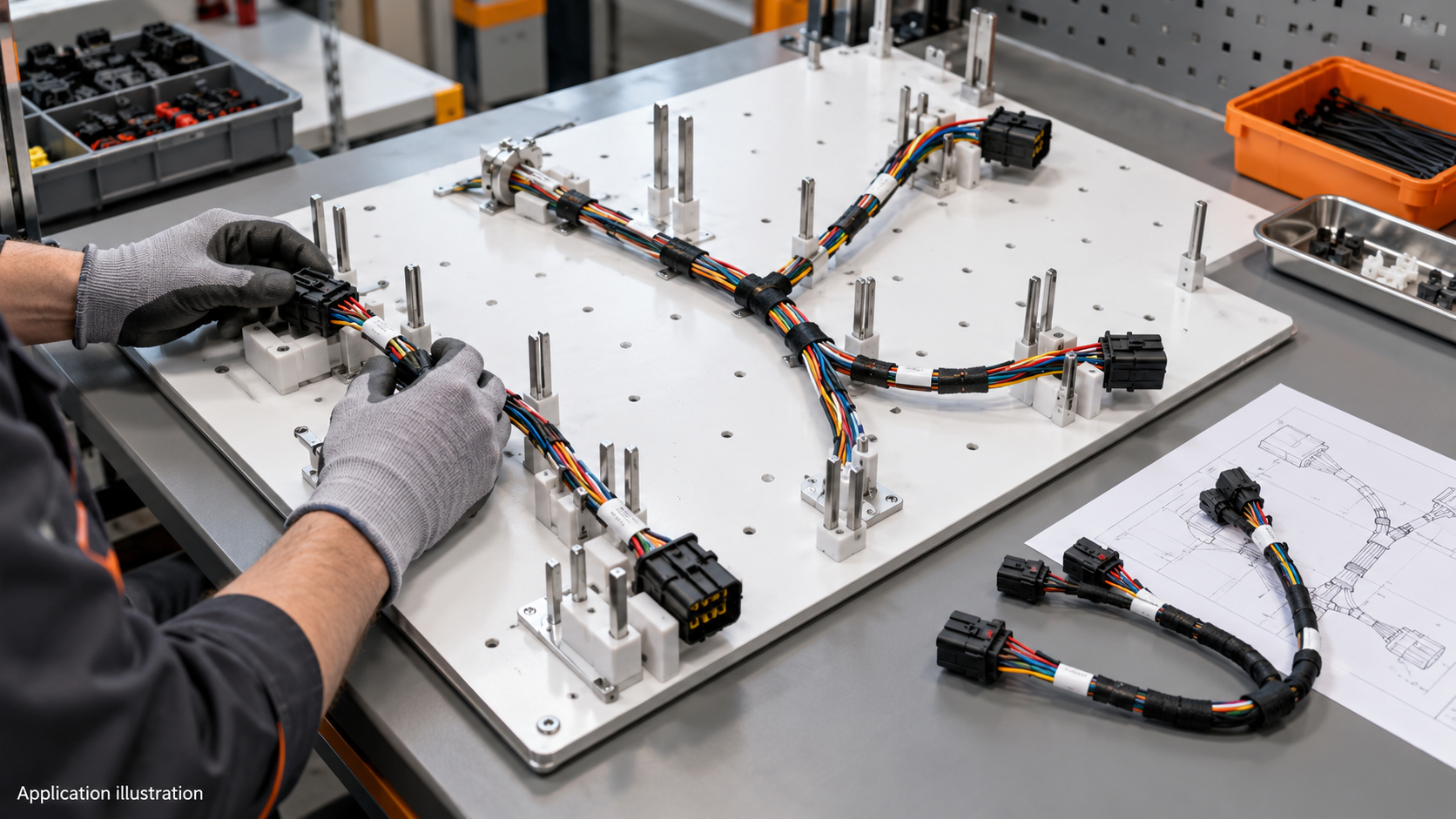
How to Choose Wire Harness Assembly Equipment Based on Your Production Requirements
A practical buyer’s guide to wire harness assembly equipment: identify production bottlenecks, define acceptance requirements, assess changeovers, and validate the proposed configuration with representative samples.

How to Choose a Crimping Applicator for Wire Harness Production
Choosing a crimping applicator starts with the terminal and wire combination, followed by the press interface. A suitable wire-size range is only one part of the decision. Terminal…
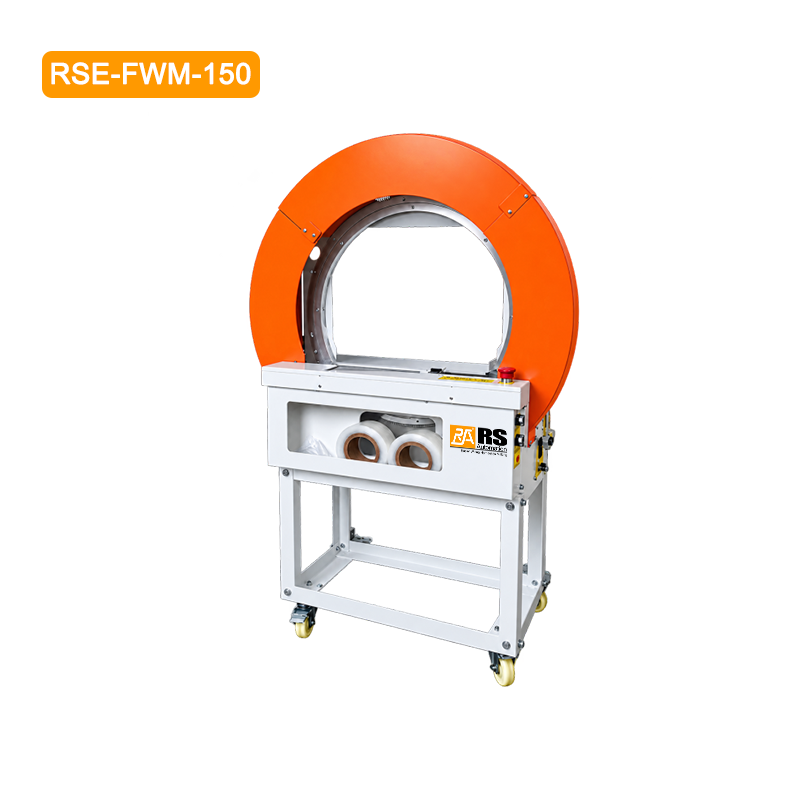
Film Bundling for Wire Harnesses: Bundle Size, Tension and Packing Checks
Film bundling for wire harnesses is a finishing and handling operation. The aim is to hold the intended arrangement together while protecting the cables, connectors and identification through…
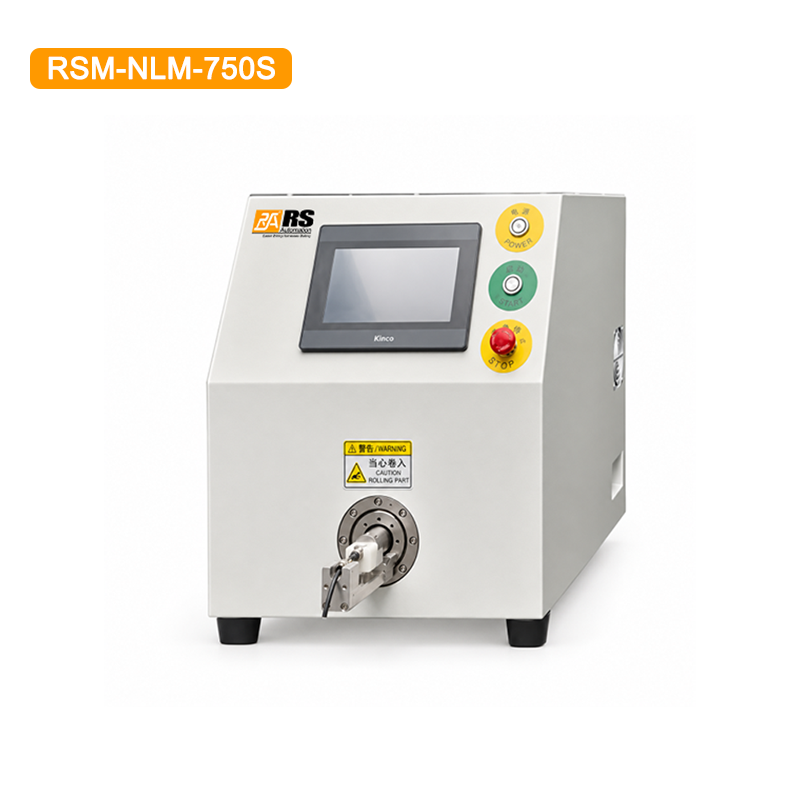
Connector Nut Tightening Machine Selection: Fixtures, Torque and Process Checks
Connector nut tightening machine selection starts with the connector assembly instruction and the parts that must be restrained. A motorized tightening head can repeat a movement, but the…
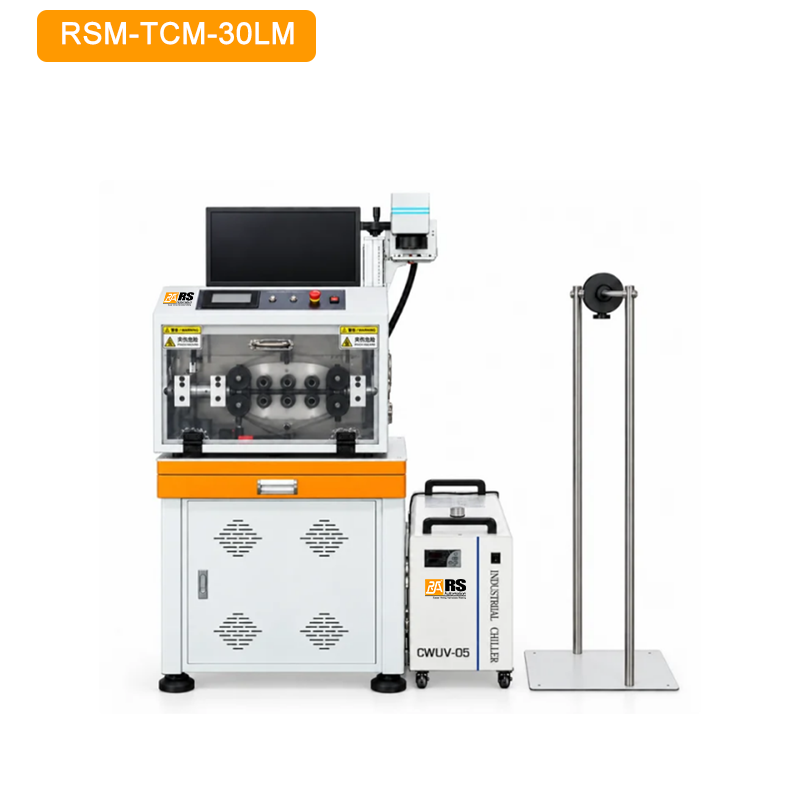
How to Choose a Tube Marking and Cutting Machine for Wire Harness Production
A tube marking and cutting machine should be selected against the finished sleeve requirement: the right identification, on the right piece, at the right length. Laser power and…
Wire Harness Assembly Support Equipment: From Tube Marking to Final Bundling
Wire harness assembly support equipment addresses the tasks around the main cutting, stripping and joining operations: identifying tubing, tightening connector nuts, wrapping local harness nodes, bundling finished products…

Discover the Benefits of the Automatic Wire Cutting and Stripping Machine for Your Business
Measuring, cutting and stripping wire by hand takes time, particularly when the same lengths are needed throughout a batch. An automatic wire cutting and stripping machine combines these…
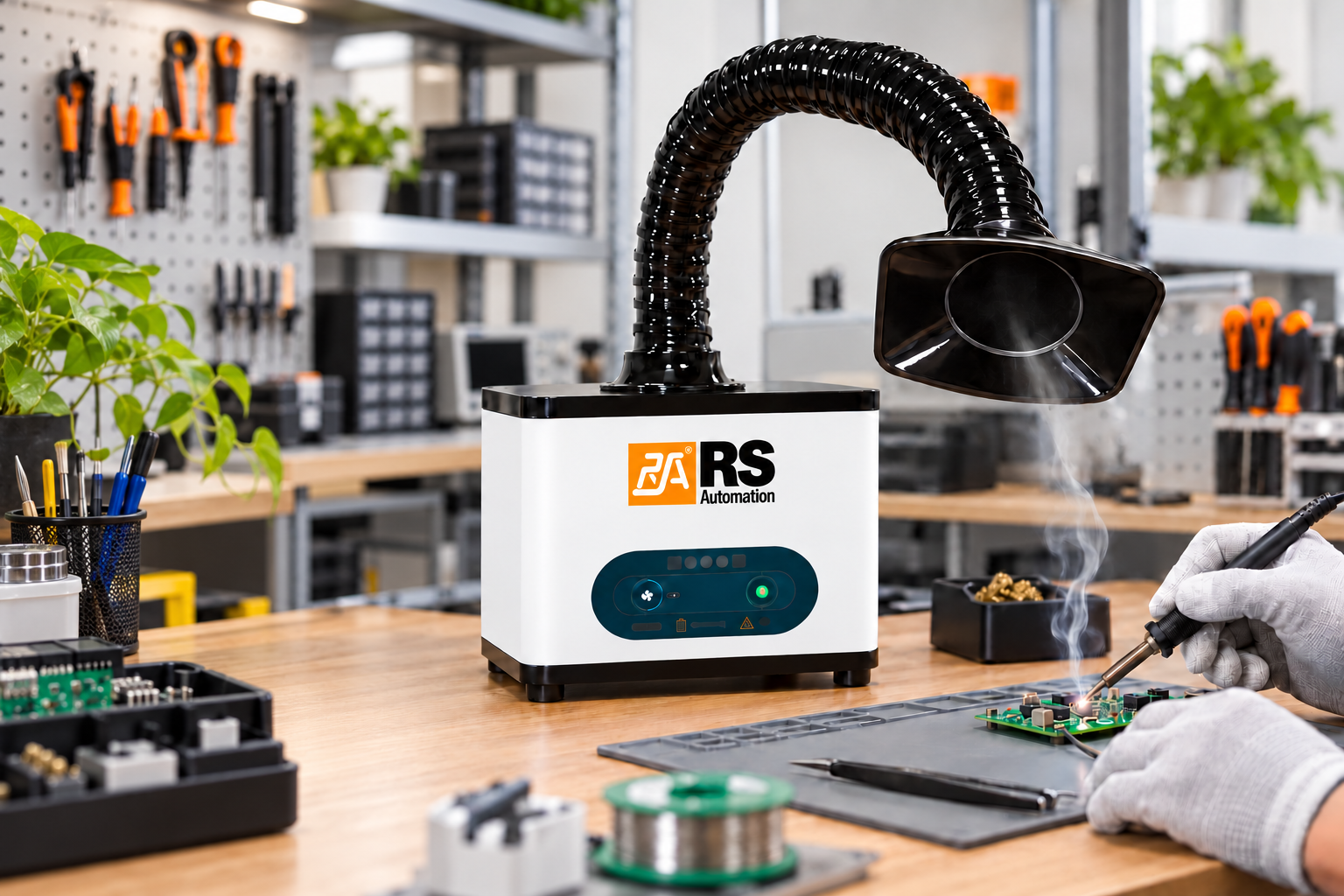
Solder Fume Extraction for Wire Harness Workstations: A Practical RSE-FP-240 Guide
Solder fume extraction should be considered when planning a wire harness soldering workstation, alongside joint preparation, heating control and inspection. A compact extractor is useful only when its…
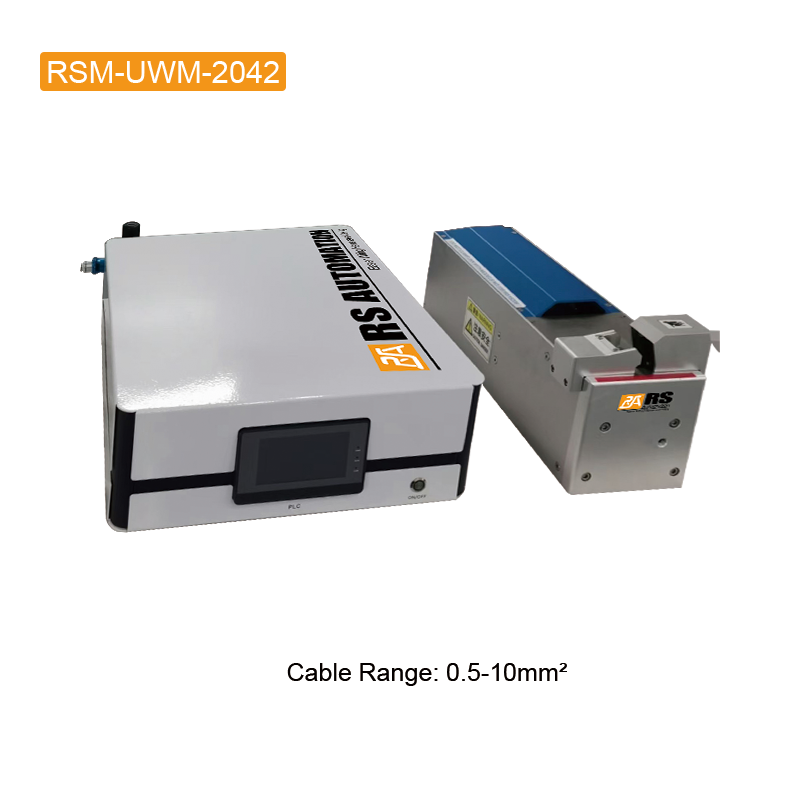
Ultrasonic Wire Splicing Troubleshooting: A Practical Checklist
Ultrasonic wire splicing troubleshooting starts with identifying what changed: the wire, preparation, loading, tooling or welding recipe. A weak joint does not automatically mean the machine needs more…
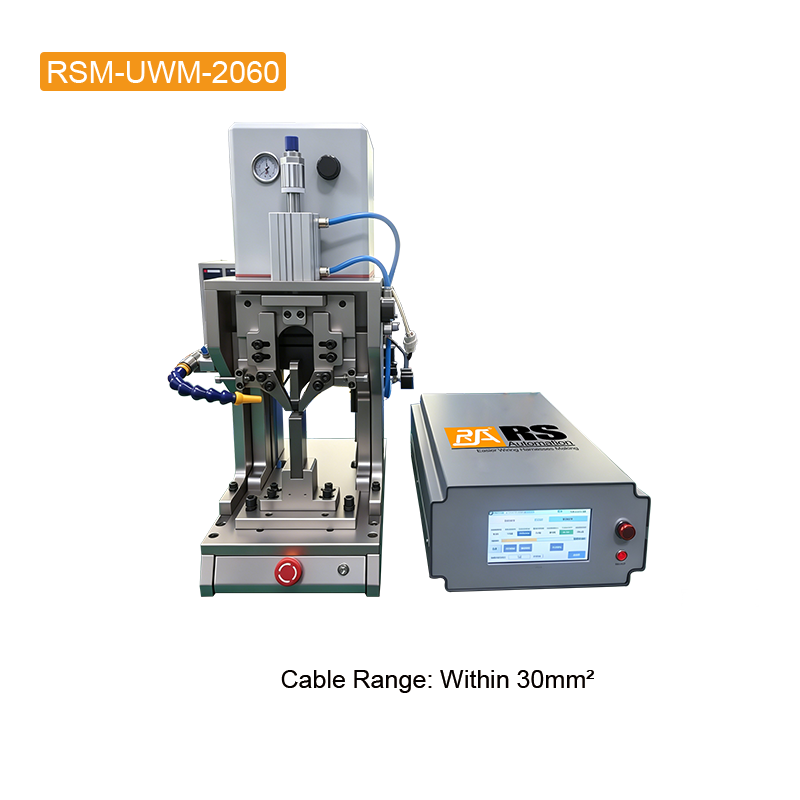
Ultrasonic Wire Splicing: Applications and Process Setup
Ultrasonic wire splicing can be evaluated for joining conductors in wire harness assemblies. A useful equipment review starts with the connection design: which wires must be joined, how…